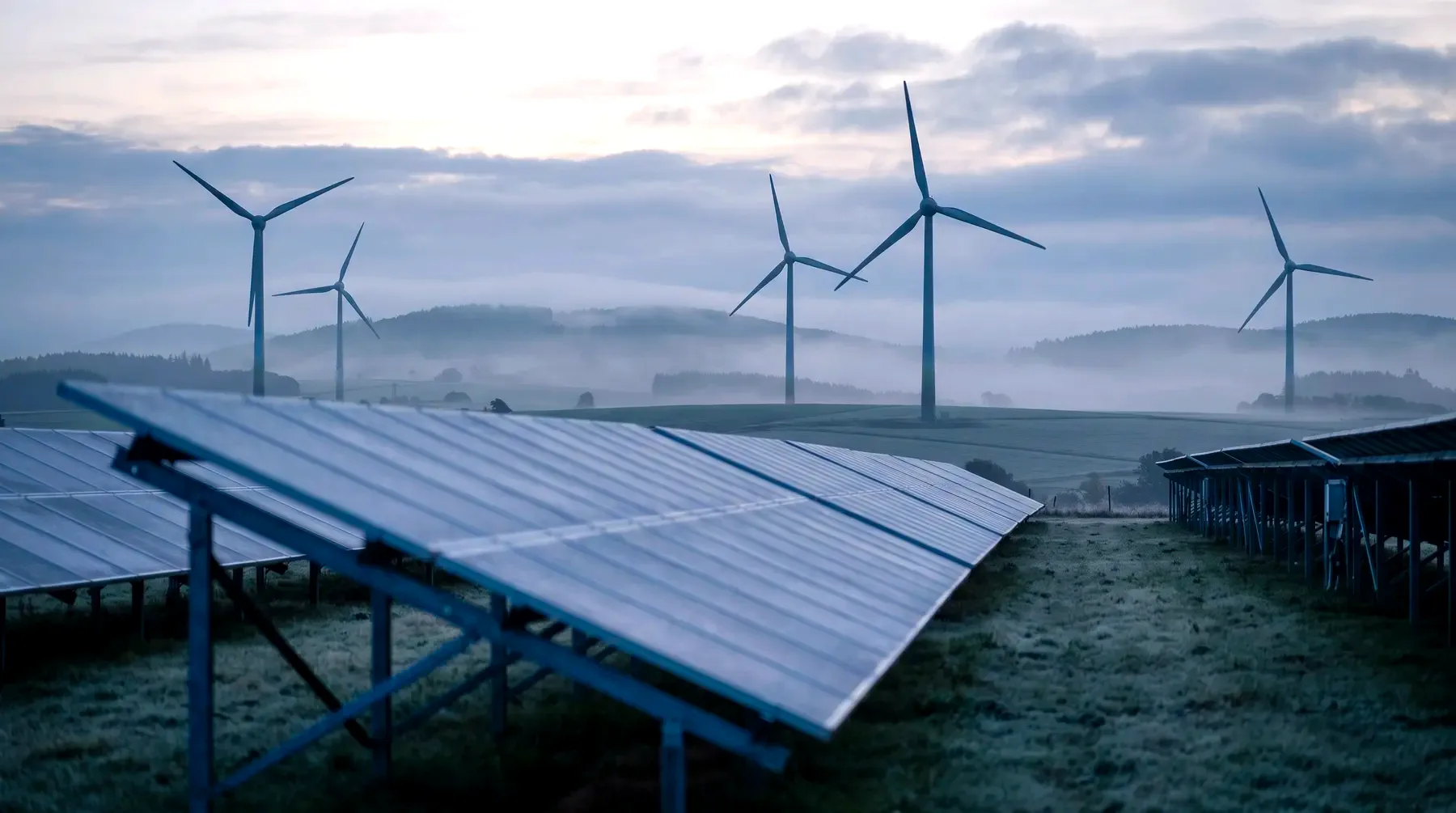
Climate and energy · EV and mobility deck
EV and mobility decks with utilization and unit economics.
Mobility businesses are asset-heavy. Investors want to see how often assets are used and what each one earns.
Fixed prices. No calls: you brief us in writing and comment in writing.
Utilization
Hours in use per vehicle per day
Illustration only. Any figures are invented for this sample slide.
Who reads it
Mobility and climate investors.
Turnaround
5 business days for a design rebuild; 3 business days for an audit.
How it differs
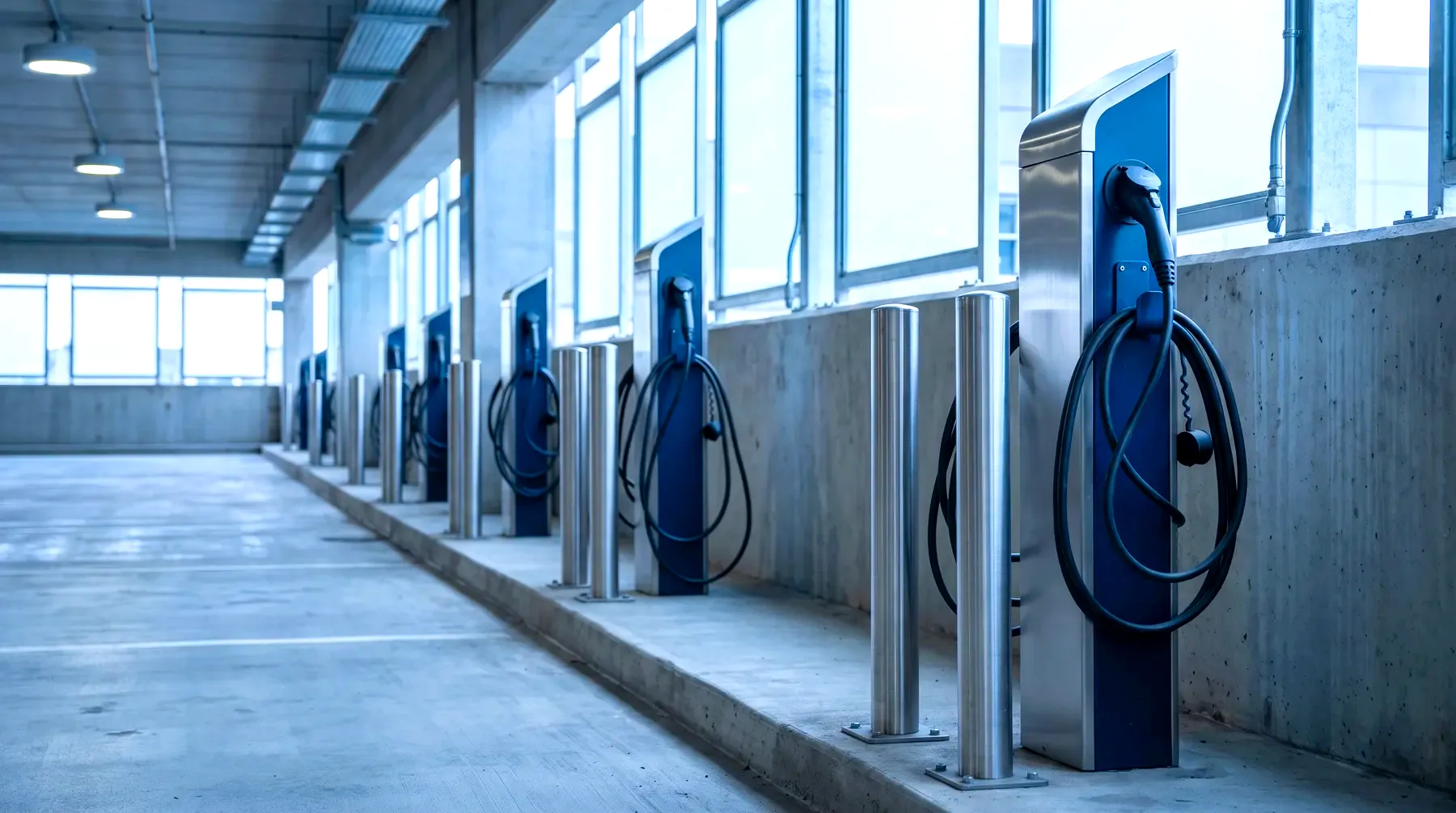
How an EV and mobility deck differs from a general pitch deck
A general startup deck can treat growth mostly as a sales and marketing question. A mobility deck has to show physical assets that cost money before they earn it. Investors read it like an infrastructure case: how often each asset is used, what it costs to run, how long it lasts and what it is worth at the end. Equity often funds the company while leases or debt fund the vehicles or chargers. The deck must show both, and how growth turns into sites, vehicles and permits on a timeline.
Slide by slide
What goes in an EV and mobility deck
- 01
Problem
The trip, delivery or charging gap.
- 02
Product or service
What customers use.
- 03
Utilization
Hours or trips per asset.
- 04
Unit economics
Revenue and cost per asset.
- 05
Partnerships
Signed and in discussion, labeled.
- 06
Capital plan
Assets and how they are financed.
- 07
Traction
Customers and revenue.
- 08
Team
Operations and engineering.
The questions behind every slide
What readers of an EV and mobility deck ask
Each answer names the slide or document where it belongs. If a question has no home in your deck, the reader will ask it in writing, or stop reading.
- 1
How exactly do you measure utilization?
The utilization slide should define the measure, such as energy delivered per available hour or paid trips per vehicle, not just time occupied. A footnote states the definition.
- 2
How long does one asset or site take to pay back its cost?
The unit economics slide shows the cost to deploy one asset and the cash it returns over time. The per-asset model in the appendix gives the assumptions.
- 3
What is the uptime of the fleet or network?
An operations slide shows uptime and how maintenance is handled. Service records go in the appendix.
- 4
How do you secure sites, permits and grid capacity before deploying?
A rollout slide shows the site pipeline by stage: identified, signed, permitted and energized. It ties the funding to physical milestones.
- 5
What is each asset worth at the end of its term?
The capital plan or asset finance appendix should state the residual value assumption and the battery health data behind it. Lenders look here first.
- 6
Which costs come out of each site's revenue before margin?
A per-site cost breakdown shows energy, network fees, rent, service and insurance. The main result sits on the unit economics slide and the detail in the appendix.
- 7
Who carries battery degradation risk?
The capital plan slide should say whether the company, a lessor or the manufacturer holds it. Warranty terms go in the data room.
- 8
Does revenue depend on a few anchor customers or site hosts?
The traction slide should show customer concentration when a few fleets or hosts drive most revenue, with contract status labeled.
Headline rewrites
Slide titles that say something.
A reader skims headlines first. A label tells them the topic; a sentence tells them the point. Bracketed figures are placeholders for your own numbers.
Before
Fleet
After
Each vehicle earns back its cost in [X] months at current utilization
Before
Network
After
Energy delivered per charger has risen every quarter since launch
Before
Partnerships
After
[X] site hosts have signed, and [Y] sites are energized
What we fix
Faults we see in EV and mobility deck drafts
Fleet size without utilization.
Asset financing unexplained.
Partnerships implied but unsigned.
What you receive
Documents we produce
- Investor deck
- One-page summary
- Asset financing appendix
Every file is delivered editable, in PowerPoint, Google Slides or Keynote, with a PDF for sending. An EV and mobility deck rebuild starts at $3,500; the full Raise Set with one-pager and teaser is $10,000.
Format
Length, versions and appendix
- Length
- Commonly 12 to 18 slides, with a per-asset model in the appendix.
- Send-ahead version
- PDF plus a one-page summary of per-asset economics that a lender or investor can check quickly.
- Presented version
- Open with one asset: what it costs, how often it is used and what it earns. Then show how the fleet or network multiplies it.
What belongs in the appendix
- Per-asset or per-site model
- Utilization by site or vehicle cohort
- Maintenance and uptime records
- Site pipeline by stage
- Asset finance structure diagram
Before you send it
EV and mobility deck checklist
- Utilization defined in a footnote
- Revenue and cost per asset on one slide
- Uptime shown with the maintenance model
- Site or fleet pipeline shown by stage
- Residual value assumption stated
- Owner of battery degradation risk named
- Equity and asset finance shown with what each funds
- Customer or host concentration disclosed
Glossary
Terms used in an EV and mobility deck
- Utilization rate
- How much of an asset's available time is spent doing paid work, such as charging or carrying passengers.
- Residual value
- What a vehicle, charger or battery is expected to be worth at the end of a lease or loan.
- Operating lease
- A lease where the finance company keeps ownership and the operator pays a fee and returns the asset at the end.
- Demand charge
- A utility fee based on the highest power drawn in a billing period, not the total energy used.
- Uptime
- The share of time an asset is working and available to customers.
- Payback period
- The time it takes for an asset's cash earnings to repay its upfront cost.
Your written brief
What to send us for an EV and mobility deck
No call needed. Send what you have; missing items are listed in our written reply, and nothing is invented to fill a gap.
- 01Asset list with deployment dates
- 02Utilization data by asset or site
- 03Per-asset cost and revenue model
- 04Maintenance and uptime records
- 05Site or fleet pipeline with status
- 06Asset finance terms or term sheets
- 07Customer and site host contract list with status
- 08Battery or equipment warranty summary
Packages
Four packages, fixed prices.
Deck Audit
$1,500
3 business days
A written verdict on the deck you have, before you send it to anyone.
- Slide-by-slide notes inside your file
- The fixes that matter most, in order
- Story, numbers and design, each assessed
- The investor questions your deck leaves open
One deck, up to 20 slides. No redesign included.
Choose Deck AuditInvestor Finish
$3,500
5 business days
Your draft, rebuilt to investor standard. Design only.
- Up to 15 slides rebuilt
- Charts redrawn from your data
- Your brand applied throughout
- One written revision round
- Editable PowerPoint, Google Slides or Keynote
Design only: your wording and slide order stay as they are.
Choose Investor FinishFinish + Story
$6,500
8 business days
We restructure the argument, rewrite the headlines, then rebuild the deck.
- Up to 20 slides
- Narrative restructured from your draft and notes
- Headlines rewritten as full-sentence points
- Send-ahead PDF version
- Two written revision rounds
We work from your facts. No market research or financial modeling.
Choose Finish + StoryRaise Set
$10,000
12 business days
Everything a raise needs, in one matching set.
- Up to 30 slides plus appendix
- Investor one-pager
- Short teaser version for cold outreach
- Three written revision rounds
- All source files
No investor introductions, fundraising or legal advice.
Choose Raise SetNot included in any package: Calls or meetings · Market research · Financial modeling or valuation · Investor introductions · Fundraising, legal or securities advice. Extra slides and extra revision rounds are quoted in writing before we start them.
Questions, answered.
How do we show asset financing?+
Separately from equity, with what each funds.
How much does a pitch deck cost here?+
A written Deck Audit is $1,500. Investor Finish, a design rebuild of up to 15 slides, is $3,500. Finish + Story, with the argument restructured, is $6,500. Raise Set, up to 30 slides with a one-pager and teaser, is $10,000.
How long does it take?+
Three business days for an audit, five for Investor Finish, eight for Finish + Story and twelve for Raise Set, counted from payment and a complete brief.
Is there a call?+
No. No package includes a call or meeting. You brief us in writing and comment in writing.
What do I need to send?+
Your draft deck in any editable format, or notes if you chose a package with writing, plus a few lines on who will read it and what you are asking for.
How do I pay?+
By card, through a secure payment link we send once scope and delivery date are confirmed in writing.
More decks in Climate and energy
All 5 Climate and energy decksOther categories
Pitch deck design for climate and energy companies: cost against incumbents, scale-up, offtake and capital needs, presented for investors.
Further reading
Sources we read when writing this page. General information only; not legal, tax or investment advice.
Have a draft? Send it today.
Choose a package, link your deck and write a few lines about who it is for. You get scope, a delivery date and a payment link in writing.