Pitch decks by category
Pitch deck design for climate and energy companies.
Climate investors fund things that work at scale and at a competitive cost. We rebuild climate decks so the cost case, the path to scale and the capital plan are clear and credible.
Fixed prices from $1,500 to $10,000. No calls: everything in writing.
Slide 6
Cost per unit falls as the plant scales
Illustration only. Any figures are invented for this sample slide.
5 deck types
Climate and energy decks we build
Each page sets out, slide by slide, what that deck has to show and the faults we fix.

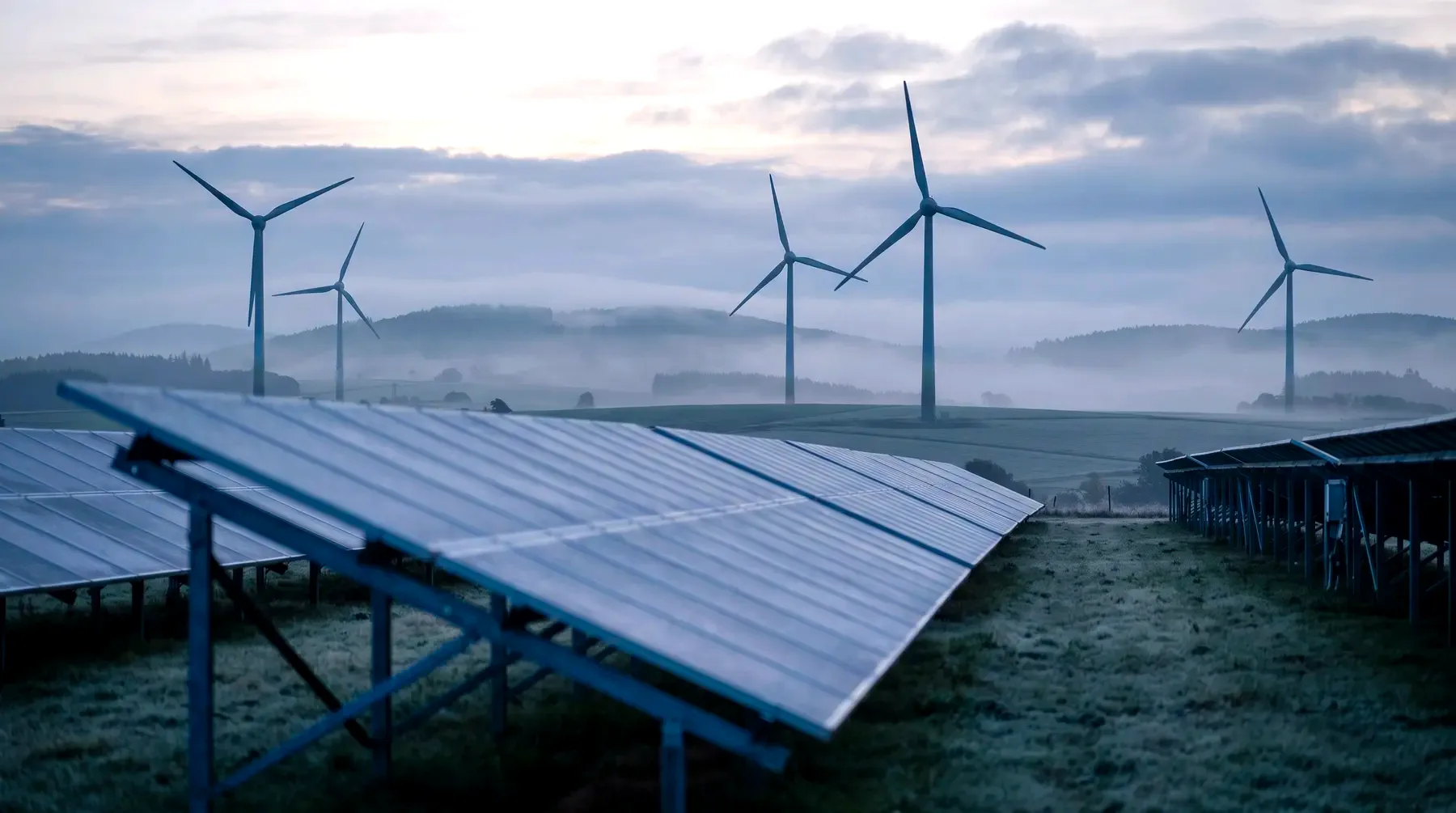
Cleantech deck
Clean technology wins when it is cheaper or better, not only cleaner.
8 slides explained
Energy project deck
Energy project investors check the same list each time: site, resource, permits, grid connection, offtake and budget.
8 slides explained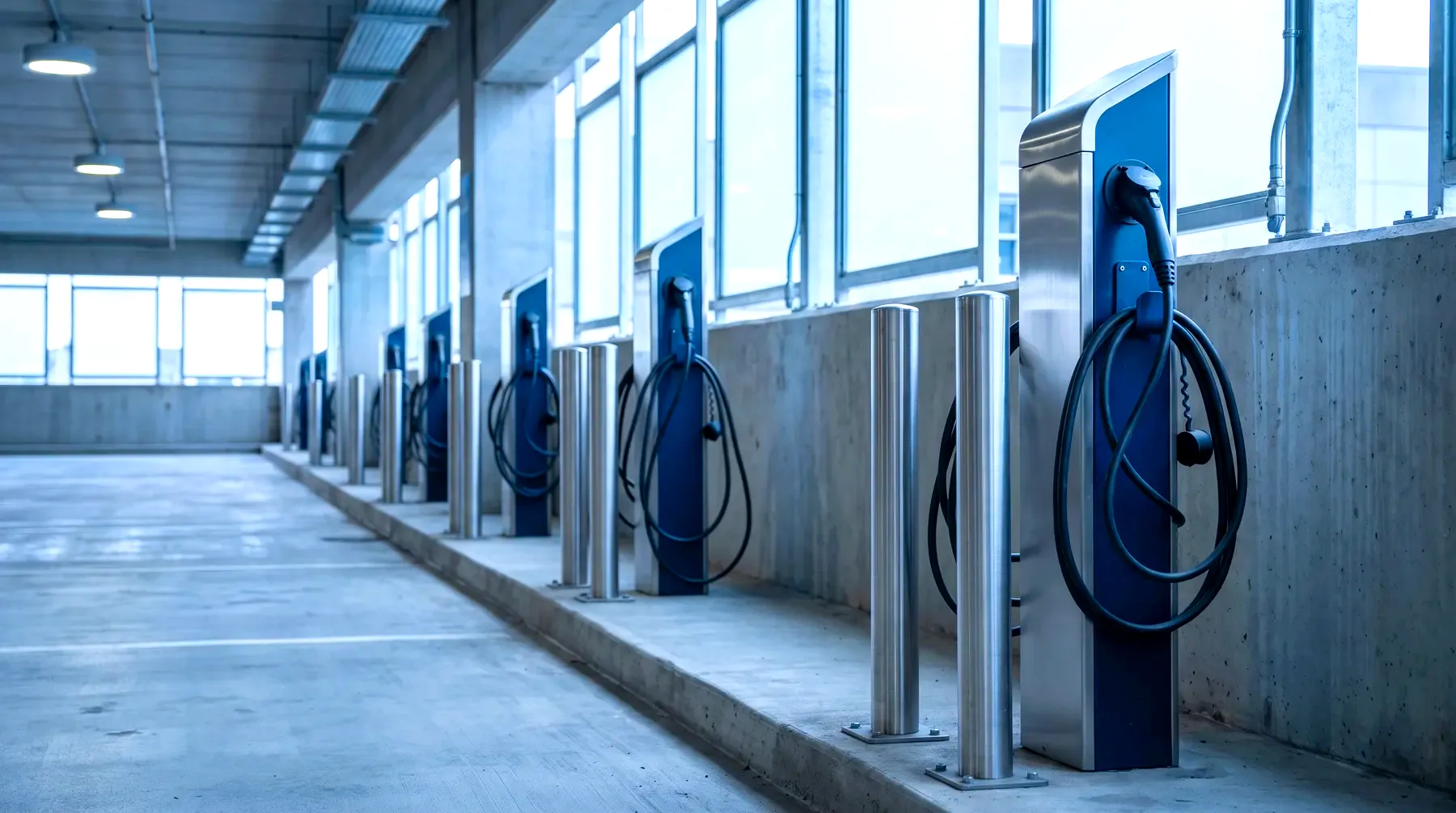
EV and mobility deck
Mobility businesses are asset-heavy.
8 slides explained
Agritech deck
Farmers adopt what pays.
8 slides explained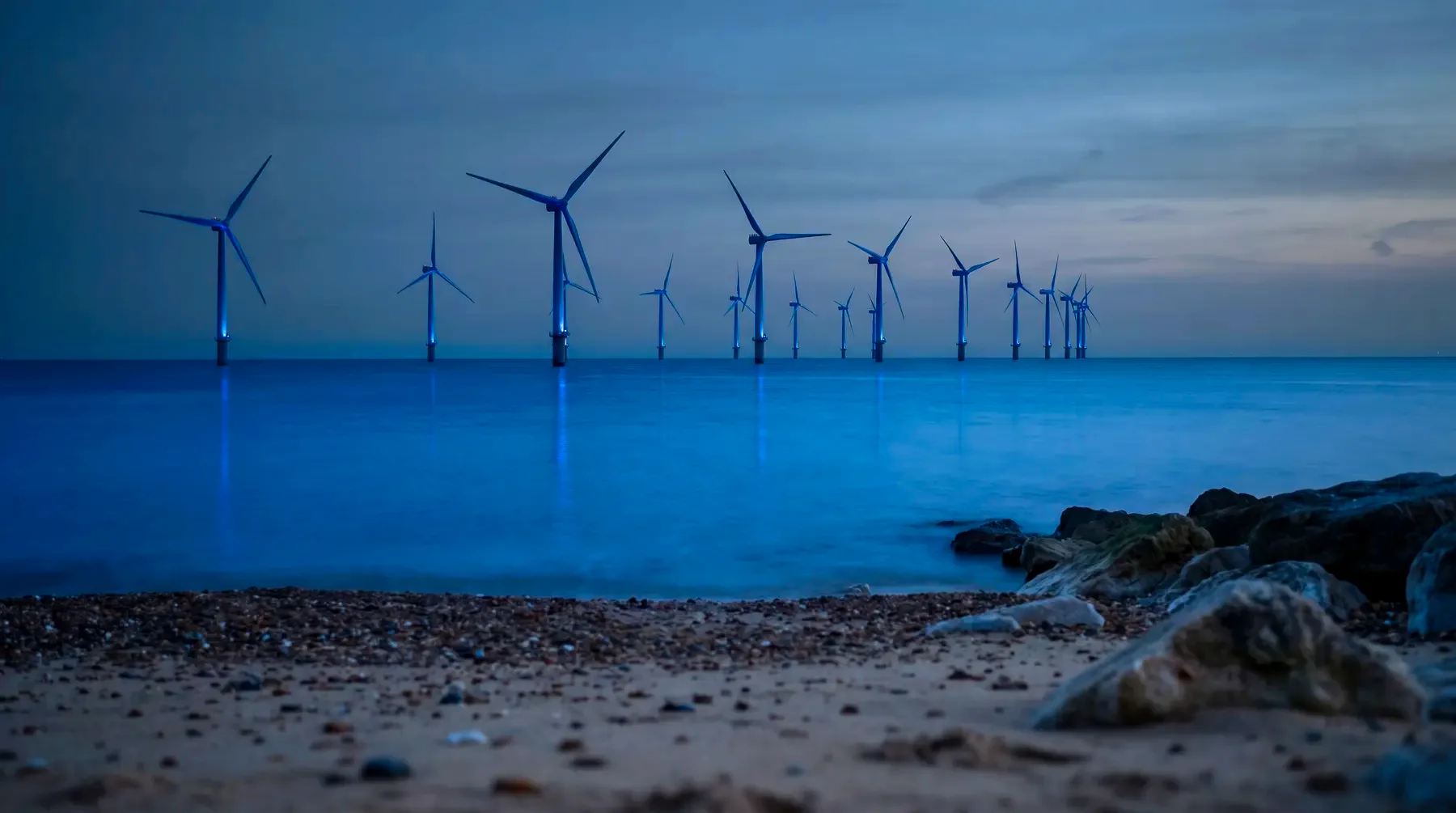
Climate software deck
Climate software is bought by finance, operations and sustainability teams for different reasons.
8 slides explained
What a climate deck has to show
- The cost of your solution against the incumbent, today and at scale.
- The scale-up path: pilot, demonstration, first commercial unit.
- Who has committed to buy, and on what terms.
- How much capital is needed, and which kinds: equity, project finance, grants.
- Which policies help, and what happens without them.
Common faults in climate drafts
Emissions avoided presented without a cost case. Scale-up spending missing from the plan. Letters of interest shown as offtake contracts. We put the cost comparison and the capital plan where an investor expects them, and label every commitment by its status.
Capital intensity, explained
Climate companies often need equity for the company and separate finance for each project. We draw that structure as one clear diagram, so investors see what their money funds and what other capital will follow.
How it differs
How climate and energy decks differ
Climate decks sit between venture and infrastructure. A general startup deck asks for equity to grow a team and a product. A climate deck often has to show a physical scale-up, a cost case against an established fuel or material, and several kinds of capital that fund different things. Readers check what happens if policy support weakens. Evidence comes from pilots, field data and signed contracts, each with a status, rather than from user growth.
The questions behind every slide
What climate and energy investors and readers ask
Each answer names the slide or document where it belongs.
- 1
Do we need a company deck, a project deck or both?
A company selling technology raises equity with a company deck. A developer financing one asset needs a project deck for lenders and project investors. Many climate companies need both, built from one master.
- 2
How do we show what is proven and what is not?
Use a readiness slide that lists demonstrated results, with scale and conditions, apart from open risks and the milestone that retires each one.
- 3
Do climate investors still read emissions impact?
Yes, alongside the cost case. State the baseline you compare against and how avoided emissions are calculated, in a footnote or the appendix.
- 4
Our costs depend on power or commodity prices. How do we show that?
Use one sensitivity chart showing how cost or margin moves with the two or three inputs that matter most. Keep the full table in the appendix.
- 5
What should we send before a first meeting?
A short PDF with the cost comparison, scale-up path and capital plan, and a separate technical appendix the investor can pass to an advisor.
- 6
Can one deck serve lenders and venture investors?
The core story can be shared, but lenders read for downside protection and contracted cash flow while venture investors read for scale. We adjust emphasis and appendix for each.
Glossary
Climate and energy terms, in plain English
- Technology readiness level (TRL)
- A scale that describes how mature a technology is, from concept to proven in commercial use.
- First-of-a-kind (FOAK)
- The first commercial plant or unit built with a new technology.
- Levelized cost of energy (LCOE)
- The total lifetime cost of a power source divided by the energy it produces, used to compare options.
- Offtake agreement
- A contract in which a buyer agrees to purchase output over a set period.
- Techno-economic analysis (TEA)
- A model linking an engineering design to its cost at a given scale.
- Capital stack
- The mix of money funding a company or project, such as equity, debt, grants and other support, and the order in which each is repaid.
Slide by slide: what goes in a climate and energy deck
Problem and cost today
What the current solution costs in money and emissions.
Technology
How it works, in one diagram.
Cost comparison
Against the incumbent, now and at scale.
Scale-up path
Pilot, demonstration and first commercial unit.
Offtake and customers
Commitments labeled by status.
Capital plan
Equity, project finance and grants, separated.
Policy
Incentives and rules, with the case without them.
Team
Technical and commercial record.
Documents we produce
- Investor deck
- Project finance presentation
- Technical appendix
- One-page summary
Packages start at $3,500 for a design rebuild of up to 15 slides and go to $10,000 for a full raise set. A written audit of an existing deck is $1,500.
Packages
Four packages, fixed prices.
Each package states what you get, how long it takes and where it stops. None includes a call.
Deck Audit
$1,500
3 business days
A written verdict on the deck you have, before you send it to anyone.
- Slide-by-slide notes inside your file
- The fixes that matter most, in order
- Story, numbers and design, each assessed
- The investor questions your deck leaves open
One deck, up to 20 slides. No redesign included.
Choose Deck AuditInvestor Finish
$3,500
5 business days
Your draft, rebuilt to investor standard. Design only.
- Up to 15 slides rebuilt
- Charts redrawn from your data
- Your brand applied throughout
- One written revision round
- Editable PowerPoint, Google Slides or Keynote
Design only: your wording and slide order stay as they are.
Choose Investor FinishFinish + Story
$6,500
8 business days
We restructure the argument, rewrite the headlines, then rebuild the deck.
- Up to 20 slides
- Narrative restructured from your draft and notes
- Headlines rewritten as full-sentence points
- Send-ahead PDF version
- Two written revision rounds
We work from your facts. No market research or financial modeling.
Choose Finish + StoryRaise Set
$10,000
12 business days
Everything a raise needs, in one matching set.
- Up to 30 slides plus appendix
- Investor one-pager
- Short teaser version for cold outreach
- Three written revision rounds
- All source files
No investor introductions, fundraising or legal advice.
Choose Raise SetNot included in any package: Calls or meetings · Market research · Financial modeling or valuation · Investor introductions · Fundraising, legal or securities advice. Extra slides and extra revision rounds are quoted in writing before we start them.
Questions, answered.
Do you work on project finance decks?+
Yes. See the renewable energy project deck page for what a lender-facing deck needs.
Can you redraw our process diagrams?+
Yes, as clean diagrams confirmed with your engineers in writing.
Should incentives be in the deck?+
Yes, with the case shown both with and without them.
What do climate investors ask first?+
Usually cost against the incumbent and the path to scale. Lead with both.
How much does a pitch deck cost here?+
A written Deck Audit is $1,500. Investor Finish, a design rebuild of up to 15 slides, is $3,500. Finish + Story, with the argument restructured, is $6,500. Raise Set, up to 30 slides with a one-pager and teaser, is $10,000.
How long does it take?+
Three business days for an audit, five for Investor Finish, eight for Finish + Story and twelve for Raise Set, counted from payment and a complete brief.
Is there a call?+
No. No package includes a call or meeting. You brief us in writing and comment in writing.
What do I need to send?+
Your draft deck in any editable format, or notes if you chose a package with writing, plus a few lines on who will read it and what you are asking for.
How do I pay?+
By card, through a secure payment link we send once scope and delivery date are confirmed in writing.
Further reading
Sources we read when writing this page. General information only; not legal, tax or investment advice.
Have a draft? Send it today.
Choose a package, link your deck and write a few lines about who it is for. You get scope, a delivery date and a payment link in writing.